

Ghana unveils revised early childhood policy to boost child development and family support
News
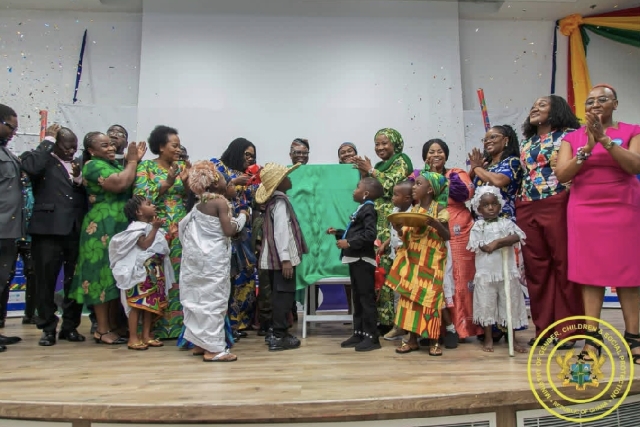 Gender Ministry (Pic):
Ghana has introduced a revamped Early Childhood Care and Development (ECCD) Policy aimed at strengthening support systems for children from birth to age eight, as government intensifies efforts to prioritise early learning, health and protection nationwide.
The policy, led by the Ministry of Gender, Children and Social Protection through its Department of Children, was launched under the theme “Invest in Early Childhood for a Brighter Future.”
Delivering the keynote address, Sector Minister Dr Agnes Naa Momo Lartey described the revised policy as a clear commitment to safeguarding children’s survival, development and well-being during their formative years.
She noted that the framework draws on research findings, lessons from previous implementation and global best practices, while aligning with Ghana’s development priorities and the Sustainable Development Goals.
Citing evidence on the critical importance of the first 1,000 days of life, the minister stressed that investing in early childhood is essential to national productivity and long-term prosperity. She explained that the strategy adopts a whole-of-government and whole-of-society model, built around pillars including health, nutrition, early learning, responsive caregiving, safety and inclusion.
To strengthen family-level care, the ministry, with support from UNICEF, is also developing a National Parenting Strategy to equip parents and caregivers with practical tools to better nurture and protect children.
The minister reaffirmed the administration’s pledge under John Dramani Mahama to place children at the heart of national development and called for coordinated efforts among ministries, local assemblies, communities and families to ensure inclusive outcomes.
Chief Director Afisah Zakariah described the revised policy as a milestone for child welfare, praising the Department of Children and stakeholders — including government agencies, development partners and traditional authorities — for their collaborative input.
The launch ceremony featured solidarity messages from partner institutions and a symbolic performance highlighting the shared responsibility of society in supporting children’s development.
Source: classfmonline.com


Trending News

Assemblies of God to hold Thanksgiving for new Comptroller-General
11:05
Parliament of Ghana announces details for 2026 State of the Nation Address
17:13
Oyarifa murder:Father demands justice from Mahama, IGP
06:29
‘When Parliament stands, democracy stands’ — Minority defends Constitutional order
11:48
A/R: Cocoa farmers back gov’t price decision, warn against politicising the sector
17:11
Relief for Asuokwa as Eastern Regional Minister cuts sod for new bridge
07:22
James Algalga: Chairman of Parliament’s Interior and Defence Committee calls for stronger Ghana–Burkina Faso cooperation after 8 traders killed
03:47
Minister suspends Nalerugu Nurses & Midwifery College principal over unauthorised admissions
10:40
Police pursue wife of slain robbery suspect over alleged role in criminal operations
16:02
Interior Minister to address press on cannabis licensing
03:42
