
June 3 Tragedy: Nation remembers 159 lives lost 11 years on
News
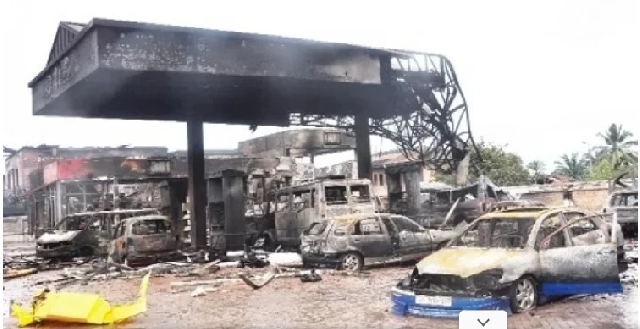 June 3 disaster
Ghana is today commemorating the 11th anniversary of the June 3 disaster, one of the darkest tragedies in the country's history, which claimed more than 150 lives and left hundreds of families devastated.
The catastrophe occurred on the night of June 3, 2015, when days of torrential rainfall triggered severe flooding across parts of Accra. As residents sought shelter from the rising waters, a fuel station at Circle, then operated by GOIL, became a refuge for many stranded commuters and residents.
However, fuel that had spilled into floodwaters ignited, sparking a massive explosion that engulfed the area in flames. The combination of flooding and fire resulted in the deaths of at least 159 people, while many others sustained life-altering injuries.
Eleven years on, survivors, bereaved families, civil society groups, and public officials continue to reflect on the tragedy and its enduring lessons for disaster preparedness, urban planning, and environmental management.
The June 3 disaster exposed significant challenges in Ghana’s drainage systems, uncontrolled development along waterways, poor waste disposal practices, and weaknesses in emergency response mechanisms. In the aftermath, several investigations and policy recommendations were made, including calls for stricter enforcement of planning regulations and substantial investment in flood prevention infrastructure.
Despite successive interventions by governments over the years, concerns persist about recurring flooding in parts of Accra and other urban centres, especially during the rainy season.
For many families, June 3 remains a painful reminder of lives lost and dreams cut short. Memorial events are expected to be held by survivors and relatives of victims to honour those who perished and to renew calls for measures to prevent a similar tragedy from occurring again.
As Ghana reflects on the events of June 3, 2015, many observers say the anniversary should serve not only as a moment of remembrance but also as a call to action to address the structural and environmental challenges that contributed to the disaster.
Eleven years after the floodwaters receded and the flames were extinguished, the memory of the June 3 disaster continues to resonate across the nation as a symbol of both profound loss and the urgent need for resilience in the face of natural and human-made hazards.
Source: Classfmonline.com/Zita Okwang


Trending News

Afia Pokua urges Ashanti Regional Minister to delete post about Akosua Manu
21:36
Amin Adam says IMF forced gov't into Policy Coordination Instrument over reform delays
02:46
V/R:15 dead, 25 injured in horrific road crash at Peki-Tsame
15:17
Anti-LGBTQ Bill: Speaker Bagbin summons parliamentary leaders over passage of bill
17:45
President Mahama engages Ghanaian community in UK at London Town Hall Meeting
05:58
GIPC board chair joins senior advisory board of Switzerland-based The Royal Fund
12:36
Agotime-Ziope set for major telecom boost as government plans new mobile mast
18:36
GenCED condemns alleged remarks by Ashanti Regional Minister against Akosua Manu
21:30
Amin Adam accuses government of introducing new taxes despite abolishing ‘nuisance taxes’
02:42
15 killed, several injured in fatal Peki–Tsame road crash
17:42
