
NaCCA unveils new SHS curriculum with 37 Subjects to promote flexibility, inclusivity
Education
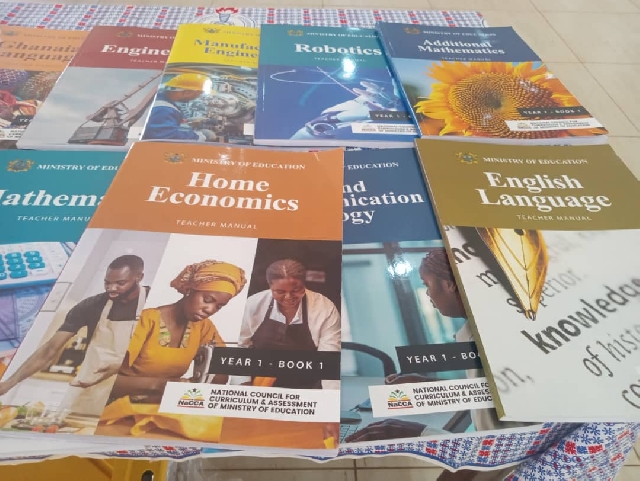 The innovative curriculum includes 37 subjects designed to equip students with the knowledge, competencies, values, attitudes, and character qualities necessary for lifelong learning
The National Council for Curriculum and Assessment (NaCCA) has announced a groundbreaking new curriculum for Senior High Schools (SHS) aimed at instilling national values and fostering pride among the youth.
The innovative curriculum includes 37 subjects designed to equip students with the knowledge, competencies, values, attitudes, and character qualities necessary for lifelong learning, employability, and a fulfilling adult life.
During a media engagement with various teacher unions in Bolgatanga, Acting Director of Curriculum Development at NaCCA, Reginald George Quartey, emphasised the curriculum's flexibility, which will allow students to tailor their studies according to their interests and strengths, thereby eliminating the rigid structures of previous programmes.
“This new curriculum will help students to select the subjects they want to study; for instance, if a student wants to do science, he will do the four core subjects and then, select perhaps chemistry and biology and from there, the student can add government and business or other two subjects that are totally not related to science,” Mr. Quartey explained.
He further explained that: “The idea is that if the student is having interest or not performing well in the science, he can have a chance to either change to do art or business without necessarily having to go through some challenges of doing so.”
Founding Dean of the School of Education and Leadership at the University of Ghana, Professor Jonathan Fletcher, praised the curriculum for its inclusive pedagogy.
“The document itself incorporates a lot of inclusive pedagogy to make it easier for teachers to help students,” Prof. Fletcher stated, highlighting the curriculum's commitment to catering to diverse learning needs.
However, the introduction of the new curriculum has raised concerns among educators about disparities in school infrastructure across the country.
Upper East Regional Chairperson of the Ghana National Association of Teachers (GNAT), Madam Ivy Betur Naaso, voiced her worries about the potential imbalance it could create, particularly in less privileged schools in categories B and C.
“It's only when there is equal infrastructure at various schools that we can achieve an equal new curriculum,” Madam Naaso asserted.
She highlighted the need for improvements in school facilities to ensure that all students, regardless of their school's category, can benefit equally from the new educational framework.
Source: classfmonline.com/Moses Apiah


Trending News
Fugu fashion draws strong interest at AU Executive Council session in Addis Ababa
14:01
From ballot lines to academic laurels: Renowned journalist Akwasi Agyeman earns PhD at University of Ghana
16:58
Parliament holds public hearing on Security and Intelligence Agencies Bill, 2025
06:26
“Armah-Kofi Buah will never disappoint Ghanaians in the fight against galamsey” – John Afful
10:25
Prof Lumumba calls for action, not empty protocols, in Africa’s quest for unity
18:23
GPRTU and commercial transport operators mad at Transport Minister's comments
08:07
Minority demands immediate payment to Cocoa farmers, accuses gov't and COCOBOD of gross neglect
13:23
Mahama inaugurates 12-member Presidential Advisory Group on the Economy
13:40
Feed Ghana initiative could reduce food inflation and boost rural livelihoods - EM Advisory
15:16
Ayawaso East vote-buying committee concludes investigations today
06:12