
6 Ways your urine colour is signalling something serious
Health News
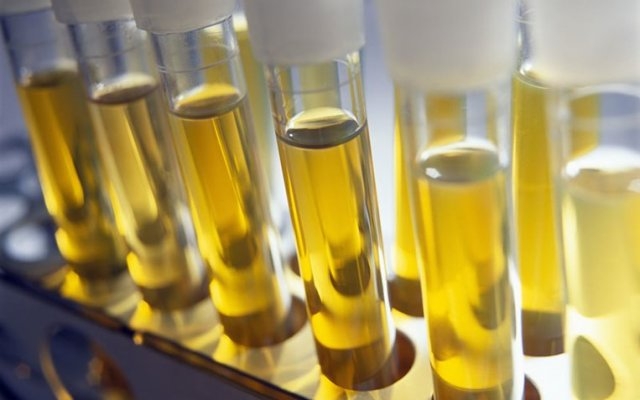
Conventional wisdom tells us that urine colour is an accurate measure of daily bodily hydration. However, this liquid byproduct of metabolism might be useful for more than just analysing whether we have had enough water to drink throughout the day.
Red urine
Normal urine colour ranges from pale to deep yellow as a result of variations in the concentration of a pigment called urochrome. Any colour outside of this range could potentially be pathological. For example, red urine (from pink to a very dark red) is often a sign of hematuria, or blood in the urine. Issues with the urinary system including (but not limited to) kidney stones, bladder infections, or bladder cancer could be causing this unusual pigment.
Brown or black urine
Urine that appears brown or black might actually be very dark red. In these cases, the colour is likely a result of the same issues as mentioned for red urine. However, if the colour is truly brown, it can be a result of liver conditions such as hepatitis and cirrhosis, which cause excess bilirubin (a compound that assists in the breakdown of waste products) to enter the urine.
In rare cases, brown or black urine could also be the result of melanoma, a serious type of skin cancer. This happens when melanin, the pigment that makes skin colour, makes its way into the urine.
Orange urine
Several medications turn urine orange including some laxatives and chemotherapy drugs. These include Pyridium (a drug used in the treatment of UTI’s), Azulfidine/sulfasalazine (anti-inflammatory drug), and high doses of riboflavin (Vitamin B).
In other cases, liver and bile duct problems, along with severe dehydration, can have the same effects as the aforementioned medications on the color of the urine.
Blue or green urine
Certain dyes such as methylene (a dye used in diagnostic testing) can turn the urine blue. Because this dye has some antimicrobial properties, it is occasionally found in medications and home remedies.
There are also a number of rare medical conditions including hypercalcemia (sometimes referred to as blue diaper syndrome), a condition in which the calcium levels in the blood are above normal, and Hartnup disease, a conditioned marked by skin rashes, delays in cognitive development, and vision problems, that also cause urine to turn blue.
Purple urine
Purple urine is often a result of purple urine bag syndrome, which occurs when bacteria colonise in a urinary catheter and produce indirubin, a byproduct of bacterial metabolism.
Milky white urine
Urinary Tract Infections (UTIs) can cause milky or white coloured urine because they trigger the release of large amounts of white blood cells.
Some other causes of white urine are the consumption of purine-rich foods including red meat, anchovies, and herring.
When to see a doctor
If you have pain when your urine, observe blood in your urine, notice that your urine is a dark orange colour, or are simply concerned about potentially having any of these conditions, you should consult a medical professional.
Source: WomenWorking
Red urine
Normal urine colour ranges from pale to deep yellow as a result of variations in the concentration of a pigment called urochrome. Any colour outside of this range could potentially be pathological. For example, red urine (from pink to a very dark red) is often a sign of hematuria, or blood in the urine. Issues with the urinary system including (but not limited to) kidney stones, bladder infections, or bladder cancer could be causing this unusual pigment.
Brown or black urine
Urine that appears brown or black might actually be very dark red. In these cases, the colour is likely a result of the same issues as mentioned for red urine. However, if the colour is truly brown, it can be a result of liver conditions such as hepatitis and cirrhosis, which cause excess bilirubin (a compound that assists in the breakdown of waste products) to enter the urine.
In rare cases, brown or black urine could also be the result of melanoma, a serious type of skin cancer. This happens when melanin, the pigment that makes skin colour, makes its way into the urine.
Orange urine
Several medications turn urine orange including some laxatives and chemotherapy drugs. These include Pyridium (a drug used in the treatment of UTI’s), Azulfidine/sulfasalazine (anti-inflammatory drug), and high doses of riboflavin (Vitamin B).
In other cases, liver and bile duct problems, along with severe dehydration, can have the same effects as the aforementioned medications on the color of the urine.
Blue or green urine
Certain dyes such as methylene (a dye used in diagnostic testing) can turn the urine blue. Because this dye has some antimicrobial properties, it is occasionally found in medications and home remedies.
There are also a number of rare medical conditions including hypercalcemia (sometimes referred to as blue diaper syndrome), a condition in which the calcium levels in the blood are above normal, and Hartnup disease, a conditioned marked by skin rashes, delays in cognitive development, and vision problems, that also cause urine to turn blue.
Purple urine
Purple urine is often a result of purple urine bag syndrome, which occurs when bacteria colonise in a urinary catheter and produce indirubin, a byproduct of bacterial metabolism.
Milky white urine
Urinary Tract Infections (UTIs) can cause milky or white coloured urine because they trigger the release of large amounts of white blood cells.
Some other causes of white urine are the consumption of purine-rich foods including red meat, anchovies, and herring.
When to see a doctor
If you have pain when your urine, observe blood in your urine, notice that your urine is a dark orange colour, or are simply concerned about potentially having any of these conditions, you should consult a medical professional.
Source: WomenWorking
Source: Elikem Adiku


Trending News

Family raises concerns over treatment and costs at Ho Teaching Hospital
18:26
Alhassan Suhuyini hands over modern classroom block to Darul-Ulum Primary School in Kanvili
02:50
Health Ministry summons KATH CEO over suspension of emergency admissions
20:34
W/R: Outgoing Regional Director of Health receives praise from staff and community leaders
02:28
Akandoh unveils specialist training centre, urges trust and transparency in Ghana’s health system
12:12
Community Service Bill: Parliament suspends sitting over lack of quorum
17:30
Abraham Koomson blames South African gov't for rising xenophobic attacks
03:13
Vice President calls for probe into Accra Central Market fire, demands stronger safety measures
18:03
Focus on delivering results that positively impact citizens- Vice President to NDC appointees
02:39
Chief of staff Julius Debrah calls for economic self-reliance to safeguard Africa’s sovereignty
17:33
