

Interior Minister proposes mandatory drug tests for public sector jobs to deter student drug abuse
News
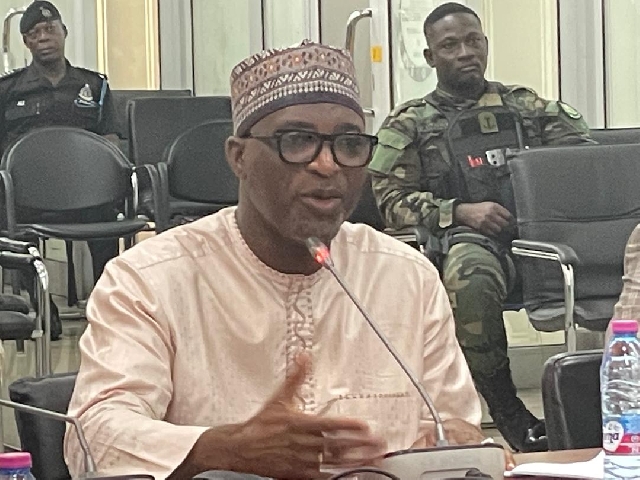 Minister for the Interior Muntaka Mohammed-Mubarak
Minister for the Interior Muntaka Mohammed-Mubarak has disclosed that government is considering mandatory drug and mental health screening as part of the recruitment process for public sector employment, describing the proposal as a key deterrent against drug abuse among students and young people.
Speaking during a Public Assurance Committee hearing in Parliament, the minister said the proposal, which has been submitted to Cabinet for consideration, seeks to ensure that prospective employees in the public service meet prescribed mental health and drug-free standards before they are employed.
According to him, the policy is intended not only to protect the integrity of the public service but also to discourage students from abusing narcotic drugs by making them aware that drug use could jeopardize their future career opportunities.
“If young people know that using drugs today could prevent them from becoming police officers, soldiers, nurses, teachers or other public servants tomorrow, it will serve as a strong deterrent,” the Minister indicated.
He revealed that a pilot exercise conducted during a recent public sector recruitment process resulted in more than 6,000 applicants being disqualified after failing drug and mental health assessments, a development he said underscores the need for stricter screening measures.
The Interior Minister explained that the proposed employment screening forms part of a broader national strategy to address drug abuse, particularly among students. He said the strategy combines preventive education, treatment and rehabilitation, school-based awareness programmes, enforcement of the narcotics laws and efforts to dismantle drug trafficking networks.
Mr Mohammed-Mubarak added that government is also working towards establishing a state-owned rehabilitation centre to improve access to treatment for persons battling substance abuse, noting that Ghana currently relies largely on faith-based and private rehabilitation facilities.
He maintained that tackling drug abuse requires sustained education, meaningful deterrence and strong enforcement, stressing that preventing young people from engaging in drug use is critical to safeguarding their future and strengthening national development.


Trending News
Interior Minister proposes mandatory drug tests for public sector jobs to deter student drug abuse
16:01
MP for Amenfi Central pushes for strategic opportunity for Ghana: partnering with UNIPROMET
07:45
C/R: 'I'll never leave you behind': Agona East MP commissions AstroTurf, reaffirms commitment to constituency development
16:50
Understand ordinance marriage before entering into it – Senior State Attorney advises couples
12:30
GNFS says 15-year delay in acquiring fire tenders is affecting emergency response
05:10
Methodist Church Ghana urges support for flood victims, calls on churches to open their doors
02:52
Differentiate between licensed industrial cannabis and illegal drug cultivation - Interior Minsiter
13:09
Government settles US$700m Eurobond debt ahead of schedule
07:16
Ebola treatments trial begins in the Democratic Republic of Congo
04:37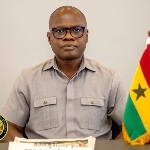
C/R: Central Regional Minister urges pastors and students to promote good sanitation
12:28