
COPEC projects fuel price cuts from July 1 as crude oil prices and dollar rate decline
Business
 Fuel
Fuel
Motorists and households could see lower fuel prices from Wednesday, July 1, as the Chamber of Petroleum Consumers (COPEC) forecasts a reduction in the prices of petrol, diesel and liquefied petroleum gas (LPG).
COPEC attributes the anticipated price drop to declining crude oil prices on the international market and the continued strengthening of the cedi against the US dollar.
In a statement, the Chamber said global crude oil prices fell by 19.69 per cent during the current pricing window, dropping from US$97.32 per barrel to US$78.16 per barrel. It also noted that the cedi appreciated by 3.14 per cent against the dollar, creating favourable conditions for lower fuel prices.
For petrol, COPEC said the international Free-on-Board (FOB) price declined by 6.92 per cent, translating into a projected average pump price of GH¢13.36 per litre, down from the current average of GH¢14.24 per litre.
The Chamber expects oil marketing companies to sell petrol at prices ranging between GH¢12.69 and GH¢14.03 per litre, depending on their pricing policies.
Diesel is projected to record the largest reduction after its international FOB price dropped by 15.18 per cent. COPEC estimates an average retail price of GH¢14.10 per litre, compared with the current average of GH¢16.26, with pump prices expected to range between GH¢13.39 and GH¢14.80 per litre.
Liquefied Petroleum Gas (LPG) is also expected to become more affordable following a 15.96 per cent decline in its international FOB price. COPEC projects consumers could pay between GH¢9.54 and GH¢10.55 per kilogram during the first pricing window of July.
The Chamber has urged oil marketing companies to reflect the favourable market conditions in their pump prices without delay to ease the financial burden on consumers and businesses.
COPEC also welcomed the government's decision to allocate part of Ghana's crude oil entitlement from the Jubilee Field to local refineries, saying the initiative could reduce dependence on imported refined petroleum products, support the cedi and promote greater stability in domestic fuel prices over the long term.
Source: Classfmonline.com/Zita Okwang


Trending Business

TOR returns to ¢1.24b profit after nearly a decade drought
21:34
Ghanaian banking sector achieves 73% compliance with sustainable principles, says BoG
21:10
Mahama cuts sod for Tema Industrial Park, pledges to position Ghana as West Africa's leading manufacturing hub
18:56
COPEC projects fuel price cuts from July 1 as crude oil prices and dollar rate decline
13:24
Dr Papa Kwesi Nduom: We are exploring acquisition of Standard Chartered Ghana retail business
03:29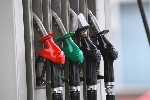
NPA cuts fuel price floors ahead of July pricing window
02:15
Insurance brokers advise flood victims to document damage before filing claims
20:29
GRA assures businesses of service continuity amid heavy rains
20:30
Volta Regional Representative on Council of State courts US investors, promotes Ghana and region at business exchange forum in Chicago
14:45
$11.5b in prospective investments pledged for Mahama’s 24-Hour Economy programme
14:17
