

Importers and Exporters demand suspension of local cargo insurance policy over poor stakeholder engagement
Business
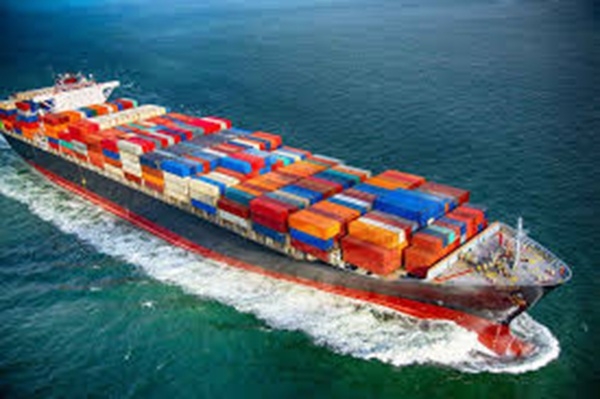 Marine cargo
The Importers and Exporters Association of Ghana (IEAG) has urged the government to suspend the rollout of the newly introduced Local Cargo Insurance policy, arguing that key stakeholders were not adequately consulted before its implementation.
The policy, announced by the Ministry of Finance, requires all commercial cargo imported into Ghana to be insured through locally licensed insurance companies starting February 1, 2026.
Government officials say the measure is designed to keep insurance premiums within the country and support the growth of Ghana’s insurance industry.
However, the IEAG believes the decision was made without sufficient dialogue with the business community and could negatively affect trade operations.
The Association maintains that policies developed through broad consultation, proper planning, and gradual implementation are more likely to achieve national goals without disrupting businesses or weakening investor confidence.
Speaking on the issue, the General Secretary of the IEAG, Mr. Sampson Asaki Awingobit, called on the Ministry of Finance, the Ghana Revenue Authority (GRA), the Bank of Ghana, and the National Insurance Commission to halt the policy temporarily and engage importers, exporters, and other industry stakeholders in meaningful discussions before enforcing the directive.
Mr. Awingobit also expressed concerns about the rollout of the Republican Artificial Intelligence (AI) policy, stating that many stakeholders are uncertain about which institutions and individuals are responsible for its execution.
He emphasised the need for clear communication and engagement to help businesses know where to seek assistance when challenges arise.
On inflation, he acknowledged that the country’s headline inflation rate has eased but noted that prices in the markets remain relatively high.
He advised consumers to shop carefully and compare prices, adding that some goods are gradually adjusting to reflect the declining inflation rate.


Trending Business
42 firms express interest in development of proposed Port of Keta after EPA approval
00:30
AMA to begin revenue enforcement exercise against rate defaulters on June 22
23:37
Government applies for Bank of Ghana licence for Women’s Development Bank
18:06
BoG calls for responsible journalism to protect economy and national security
17:56
Tricycle Operators’ Association to stage nationwide protest over closure of dump site
16:52
Cabinet approves key policies to drive growth in textiles, pharmaceuticals and agribusiness – Trade Minister
15:52
GEPA opens Ghana Trade House in Philadelphia, deepening commercial footprint in the United States
16:16
Trade Ministry secures €415,437 grant to drive PharmaVax programme, boost pharmaceutical industry growth.
15:57
Beyond GDP: Ghana charts new path to measure growth progress
09:18
Transport operators threaten 20% fare increase over poor state of Kasoa–Winneba road
02:30