

Ghana's Constitutional Review: A new era for environmental governance
Feature Article
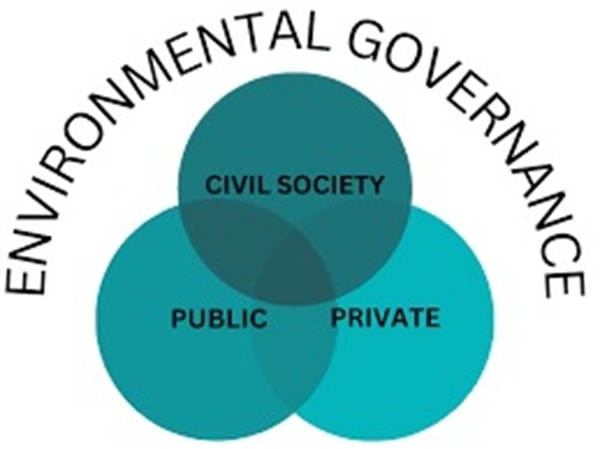 Enviromental governance
The Constitutional Review Committee's final report, "Transforming Ghana: From Electoral Democracy to Developmental Democracy," proposes a significant overhaul of Ghana's environmental governance framework.
The recommendations aim to strengthen accountability, inclusivity, and sustainable development by embedding environmental stewardship and intergenerational equity into the Constitution.
The Committee's proposals would vest natural resources and public lands in the people of Ghana, held in trust by the State for present and future generations.
Public authorities would be bound by explicit duties of loyalty, transparency, sustainability, and prevention of waste and abuse. The framework would be guided by principles of sustainability, equitable utilisation, the precautionary principle, climate compatibility, and community participation.
The recommendations also introduce sector-specific reforms, including restrictions on compulsory land acquisition, strengthened parliamentary oversight, and benefit-sharing arrangements.
Additionally, citizens would be empowered through access to justice, public interest litigation, and community enforcement of fiduciary duties.
The Committee's vision represents a paradigm shift in environmental governance, anchoring it in enforceable rights, fiduciary responsibility, and intergenerational justice.
To realise this vision, the final constitutional text must address omissions, strengthen enforcement mechanisms, and integrate social and economic pathways that ensure environmental protection is just and sustainable


Trending Features

African Cup of Nations: Officiating in the round of 16 to the final at AFCON 2025 (MOROCCO 2026) - Pros and cons
12:19
What if the NDC presents an Ashanti flagbearer to face NPP?
09:19
The ghost in the machine: How vote-buying in Ayawaso East proves Ghana’s political system is already dead
12:19
Ghana's Constitutional Review: A new era for environmental governance
12:55
