

Fifteen drivers picked up by GPRTU in Ablekuma for suspected multiple fare collection
News
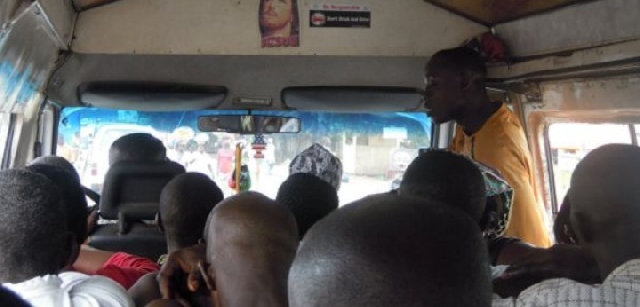 A conductor and passengers in a bus
The Ghana Private Road Transport Union (GPRTU) has detained 15 commercial drivers in the Ablekuma area of Accra over accusations of collecting more than the approved transport fares, according to officials of the union.
Confirming the action, GPRTU National Guard Commander Derumond Ekow Gaise says that the exercise forms part of ongoing measures to address indiscipline among drivers and ensure strict compliance with authorised fare charges within the capital.
He explained that the task force is not only focusing on alleged overcharging but is also clamping down on drivers who operate incomplete routes, commonly referred to as “short trips,” where passengers are ferried only part of the designated journey.
Despite the union’s position, some of the drivers picked up during the operation have challenged the basis of their arrest. One driver insisted he had charged the standard fare and denied any wrongdoing, stating that he had maintained his usual Odorkor–Pokuase route without altering the distance.
The driver further criticised the union’s approach, arguing that engagement with members was inadequate. He claimed drivers were not sufficiently consulted or informed before enforcement actions were taken, adding that he was not invited to a meeting reportedly held prior to the operation.
Mr Gaise, however, maintained that the exercise was necessary to bring sanity to the transport sector. He urged law enforcement agencies to proceed with prosecution where appropriate, stressing that court action would deter future violations and promote adherence to the rules.
According to him, drivers found guilty of charging beyond approved fares or misleading passengers about travel distances must be sanctioned to discourage similar practices.
The GPRTU has indicated that enforcement activities will be extended to other parts of Accra as part of efforts to protect commuters, reduce conflicts on transport routes, and improve overall discipline within the city’s public transport system.
Source: Classfmonline.com/Zita Okwang


Trending News

NDC issues guidelines for Ayawaso East parliamentary primary
10:39
Major water pipeline burst disrupts supply across Eastern Accra
13:26
NPP race: Bawumia is winning; don’t go and spoil your vote on other candidates – Annoh-Dompreh tells delegates
06:18
‘Ekow Black’ remanded in police custody over viral assault and sextortion allegations
19:50
Police rescue 46 trafficked victims, arrest one suspect in Gomoa Buduburam
14:31
Agenda 111 projects get boost: Health Minister vows completion
15:55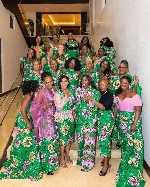
Ghana welcomes over 500 Alpha Kappa Alpha members under Beyond the Return initiative
15:33
Frimpong-Boateng calls the bluff of NPP executives
02:17
George Opare Addo to address Africa Prosperity Dialogues 2026 on youth and Africa’s single market
10:30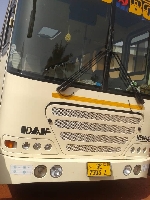
Metro Mass Transit management accused of selling roadworthy buses for pittance
13:10