

Ghana elected 1st Vice Chair as African Union unveils new 2026 leadership at Addis Ababa Summit
News
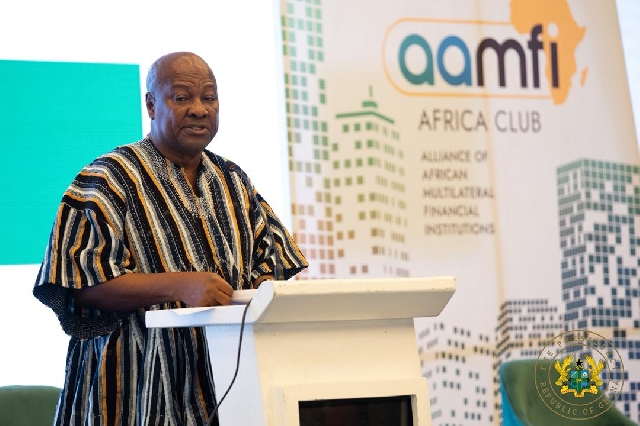 The Presidency (Pic):
Ghana has been elected First Vice Chair of the African Union (AU) for 2026 at the 39th Ordinary Session of the Assembly of Heads of State and Government, currently underway at the AU Headquarters in Addis Ababa.
The two-day summit is being held under the theme, “Assuring Sustainable Water Availability and Safe Sanitation Systems to Achieve the Goals of Agenda 2063,” and has featured strong calls for African solidarity, financial independence, institutional reform, and a united continental voice in global affairs.
New AU Leadership for 2026
Heads of State elected President Évariste Ndayishimiye of Burundi as Chairperson of the African Union for 2026. He succeeds President João Lourenço of Angola.
The newly constituted Bureau of the Assembly for 2026 is as follows:
- Chairperson: Burundi (Central Africa)
- First Vice Chair: Ghana (West Africa)
- Second Vice Chair: Tanzania (East Africa)
- Third Vice Chair: To be confirmed (North Africa)
- Rapporteur: Angola (Southern Africa)
Ghana’s election as First Vice Chair highlights the country’s growing diplomatic influence and active engagement in continental governance.
Call for Reform and Financial Self-Reliance
Chairperson of the AU Commission, Mahmoud Ali Youssouf, framed the summit around water security, describing access to water and sanitation as a collective public good vital for development, peace, and stability.
He urged member states to meet the rising expectations of Africa’s youth, women, and civil society, stressing that the decisive decade of Agenda 2063 must deliver measurable and tangible results.
Peace, Security and “Silencing the Guns”
In his opening address, President Lourenço described access to water as a political, moral, and strategic priority for Africa’s development, public health, food security, and long-term stability.
Reflecting on Angola’s tenure, he cited progress in advancing Agenda 2063, mobilising infrastructure investment, strengthening the African Continental Free Trade Area (AfCFTA), and improving institutional efficiency within the AU.
On peace and security, he emphasised that Africa’s development hinges on “silencing the guns,” pointing to ongoing conflicts in Sudan and the Democratic Republic of the Congo, as well as terrorism in the Sahel and the Horn of Africa. He reaffirmed the AU’s firm rejection of unconstitutional changes of government and warned against legitimising coups through subsequent elections.
Africa’s Global Role and Technological Future
Prime Minister Abiy Ahmed of Ethiopia called on the continent to move from reacting to global developments to actively shaping the global agenda as the AU approaches its 25th anniversary.
He underscored the importance of unity, confidence, and continental ownership of Africa’s narrative and technological future, highlighting Ethiopia’s establishment of an Artificial Intelligence institute and plans to launch an AI university.
Strengthening UN–AU Partnership
United Nations Secretary-General António Guterres stressed the need to deepen strategic cooperation between the UN and the AU, describing multilateralism as essential to advancing peace, security, and sustainable development.
He reiterated support for reforming the UN Security Council to ensure stronger African representation and called for equitable access to financing, industrialisation, and sustainable development support for African nations.
Source: classfmonline.com/Pearl Ollennu


Trending News
Ekumfi paramount chief decries years of neglect despite political loyalty
16:56
Contractor offers to repair damaged sections of Agona Nkwanta–Tarkwa road corridor at own cost
16:35
Dr Randy Abbey: Minority calls for removal of COCOBOD CEO over cocoa 'crisis', price cut
18:31
Agyei Mensah defends Suame Interchange redesign, assures Kumasi of fair development
07:56
University of Ghana awards degrees to 15,288 graduates, including 153 PhD holders
11:29
Police arrest 13 suspected sex Nigerian workers, landlords in New Juaben South operation
14:48
'Accra International Airport': Journalist Manasseh Azure Awuni suggests JB Danquah as replacement for Kotoka airport name
20:55
Ofosu Ampofo pays courtesy call on Dr Yao Obed Asamoah on his 90th birthday
09:25
Opong-Fosu joins former President John Agyekum Kufuor on AEF's Strategic Advisory Board
16:39
Mahamudu Bawumia attends NPP National Thanksgiving and prayer service in Kanda
14:32
