
WHO: Malaria can be eradicated
News
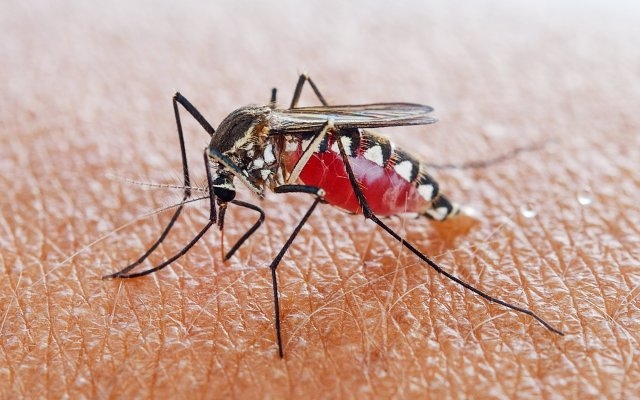
Eradicating malaria is biologically feasible and a lofty aim, the World Health Organisation said on Friday, but the focus, for now, should be getting the funds, tools and political will to control it.
Launching the findings of a three-year-long analysis of the global fight against malaria, WHO experts said that while ending the mosquito-borne disease “can be done”, it’s not yet possible to put a price tag or target date on achieving eradication.
Setting unrealistic goals with unknown costs and endpoints can lead to “frustration and backlashes”, said the director of the WHO’s global malaria programme, Pedro Alonso, so the world should focus first on developing new medicines, vaccines and insecticides to get malaria cases and deaths under control.
“With the tools that we have today, it is most unlikely that eradication could be achieved,” Alonso told reporters in a telephone briefing. “We need to focus on getting back on track.”
After a decade or so of significant declines in malaria case numbers and deaths, the latest WHO data show progress is stalling.
Malaria infected around 219 million people in 2017 and killed around 435,000 of them - the vast majority of them babies and children in the poorest parts of Africa.
These totals are little changed from 2016, but global case numbers had previously fallen steadily from 239 million in 2010 to 214 million in 2015, and deaths from 607,000 to around 500,000 from 2010 to 2013.
“Today, there are more countries without malaria than with (it), and more countries than ever have fewer than 10,000 malaria cases, putting elimination within reach,” Abdourahmane Diallo of the campaign group Roll Back Malaria said in a statement about the WHO’s report. He noted, however, that in some of the worst-hit countries, malaria cases are increasing, showing a need “to reignite and accelerate progress”.
A number of drugs are available to successfully treat malaria, and insecticide-treated bednets have proved able to control mosquitoes and infections. A partially effective vaccine - the world’s first against malaria - has been developed by the British drugmaker GSK and is being deployed in Ghana and Malawi, with plans for rollout in Kenya.
“TRANSFORMATIVE TOOLS”
But the WHO’s malaria eradication report, a summary of which was published on Friday, said these tools would not be sufficient to wipe out malaria altogether.
It urged scientists and global health funders to renew a drive towards research and development of “transformative tools and knowledge” to control mosquitoes and create more effective vaccines and medicines to prevent and treat the disease.
It also called for political leadership in the fight against malaria, and for funds and data analysis to be used in the places where it is likely to be most effective.
Currently, less than 1% of global funding for health research and development investment goes to developing tools to tackle malaria, it said.
“Our priority now should be to establish the foundation for a successful future eradication effort while guarding against the risk of failure that would lead to the waste of huge sums of money, frustrate all those involved... and cause a lack of confidence in the global health community’s ability to ever rid the world of this disease,” the report said.
Source: Reuters
Launching the findings of a three-year-long analysis of the global fight against malaria, WHO experts said that while ending the mosquito-borne disease “can be done”, it’s not yet possible to put a price tag or target date on achieving eradication.
Setting unrealistic goals with unknown costs and endpoints can lead to “frustration and backlashes”, said the director of the WHO’s global malaria programme, Pedro Alonso, so the world should focus first on developing new medicines, vaccines and insecticides to get malaria cases and deaths under control.
“With the tools that we have today, it is most unlikely that eradication could be achieved,” Alonso told reporters in a telephone briefing. “We need to focus on getting back on track.”
After a decade or so of significant declines in malaria case numbers and deaths, the latest WHO data show progress is stalling.
Malaria infected around 219 million people in 2017 and killed around 435,000 of them - the vast majority of them babies and children in the poorest parts of Africa.
These totals are little changed from 2016, but global case numbers had previously fallen steadily from 239 million in 2010 to 214 million in 2015, and deaths from 607,000 to around 500,000 from 2010 to 2013.
“Today, there are more countries without malaria than with (it), and more countries than ever have fewer than 10,000 malaria cases, putting elimination within reach,” Abdourahmane Diallo of the campaign group Roll Back Malaria said in a statement about the WHO’s report. He noted, however, that in some of the worst-hit countries, malaria cases are increasing, showing a need “to reignite and accelerate progress”.
A number of drugs are available to successfully treat malaria, and insecticide-treated bednets have proved able to control mosquitoes and infections. A partially effective vaccine - the world’s first against malaria - has been developed by the British drugmaker GSK and is being deployed in Ghana and Malawi, with plans for rollout in Kenya.
“TRANSFORMATIVE TOOLS”
But the WHO’s malaria eradication report, a summary of which was published on Friday, said these tools would not be sufficient to wipe out malaria altogether.
It urged scientists and global health funders to renew a drive towards research and development of “transformative tools and knowledge” to control mosquitoes and create more effective vaccines and medicines to prevent and treat the disease.
It also called for political leadership in the fight against malaria, and for funds and data analysis to be used in the places where it is likely to be most effective.
Currently, less than 1% of global funding for health research and development investment goes to developing tools to tackle malaria, it said.
“Our priority now should be to establish the foundation for a successful future eradication effort while guarding against the risk of failure that would lead to the waste of huge sums of money, frustrate all those involved... and cause a lack of confidence in the global health community’s ability to ever rid the world of this disease,” the report said.
Source: Reuters
Source: Emmanuel Mensah


Trending News

Black Stars battle England for World Cup knockout spot today
08:15
One dead, 31 injured in crash near Offinso SDA Hospital
21:15
Bryan Acheampong calls for NPP unity, urges Kennedy Agyapong to support Bawumia
15:17
Agotime-Ziope Environmental Health Officer calls for responsible environmental practices
16:07
Majority dismisses alleged World Cup travel slot allocation to MPs
14:17
Adwoa Safo shooting: Police arrest Israel Kwadwo Safo Akofena, 2 others
00:57
C/R: 2 sisters die after house collapse following heavy rainfall in Cape Coast
21:12
Government announces energy infrastructure projects for Central Region
15:13
Volta Regional Minister commends media for promoting peace and national cohesion
16:00
Cape Coast Queen Mother calls for thorough investigation into murder of UCC student
15:44