

GFA adopts 24-Hour IT service model to align with national 24-Hour Economy policy
Sports News
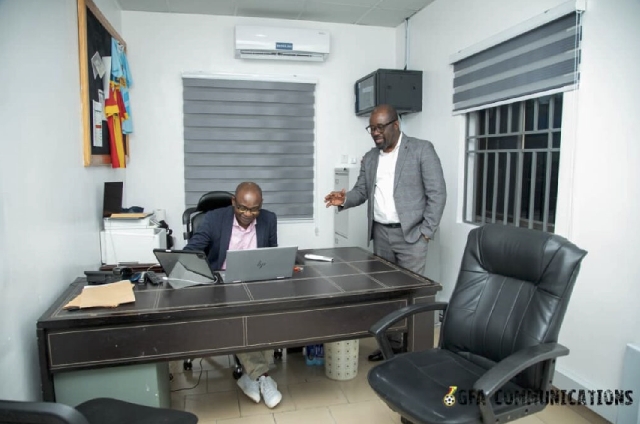 GFA (Pic): IT Director Francis Adu (L) and President Kurt Simeon-Okraku (R)
The Ghana Football Association (GFA) has rolled out a 24-hour operational structure within its Information Technology (IT) Department, becoming the first sports institution in the country to align its internal systems with the government’s 24-Hour Economy policy.
The move is designed to enhance productivity, improve efficiency and ensure uninterrupted service delivery to football stakeholders nationwide through round-the-clock technical support.
Under the leadership of IT Director Francis Adu, the department has transitioned into a shift-based system, with personnel working in structured batches to guarantee continuous operations throughout the day and night. The new structure allows the association to respond swiftly to technical challenges affecting clubs, competitions and digital platforms.
“The 24-hour system has been extremely helpful in enhancing efficiency, responsiveness and overall service delivery to our stakeholders,” Adu said in an interview with GFA Communications.
“We are now able to address technical issues in real time, support match operations seamlessly and ensure that our digital platforms remain fully functional at all times.”
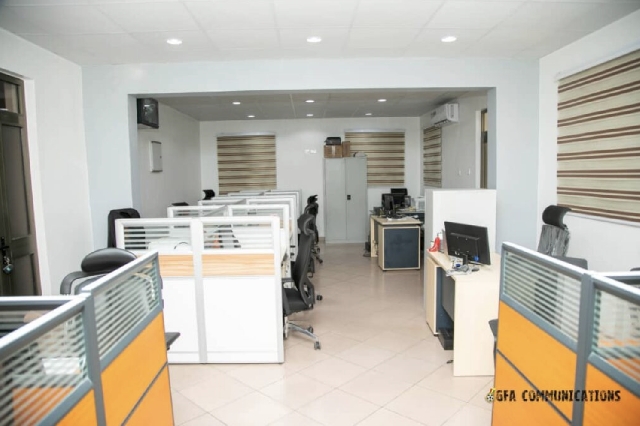
The IT Department, currently the largest unit within the FA by staff strength, now operates fully 24/7, managing key digital services including player registration, competition management systems, data administration and stakeholder support.
As part of the transition, the refurbished Old PLB Block has been upgraded into a centralised digital operations hub. From this facility, the IT team provides dedicated, real-time assistance to all ten Regional Football Associations, as well as clubs and administrators across Ghana’s various leagues.
GFA officials say the initiative forms part of a broader institutional reform agenda focused on modernisation, operational efficiency and improved stakeholder satisfaction.
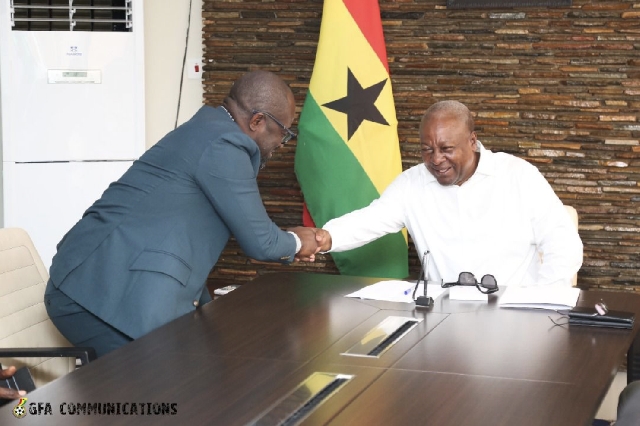
The policy direction mirrors the national 24-Hour Economy programme introduced by the government and signed into law in February 2026 by John Dramani Mahama. The legislation aims to transform Ghana’s economy by encouraging businesses and public institutions to operate continuously through shift systems to boost productivity, job creation and economic growth.
By adopting the model early, the GFA says it hopes to set the pace for other sports bodies and organisations seeking to modernise service delivery while supporting national development goals.
Source: classfmonline.com


Trending Sports

16-year-old Ghana starlet set to sign for Real Madrid CF after transfer agreement
15:19
'Thomas Partey gearing up for FIFA WC': GFA maintains support, contact with player amid ongoing legal case — Okraku
17:41
GFA, Police to develop new community football facility at Tesano
17:00
GFA President Kurt Okraku reaffirms ambition for Black Stars to win AFCON
16:33
Black Stars technical team visits Greater Accra Regional Hospital to uplift patients and staff
16:07
2026 UGCFL Group A: GCAA, GAF, Bui Power and GNPC win big
17:59
Black Stars line up Mexico friendly as final tune-up for 2026 FIFA World Cup
15:53
Andre Ayew embraces new challenge at NAC Breda, says retirement ‘not on my mind’
15:45
Hearts of Oak clarifies status of Hamza Issah amid transfer controversy
11:07
Sports Minister commits 2 months’ salary to new national Sports Fund
18:27
