

Traders reject 20-Pesewa coins amid concerns over BoG's currency management
Business
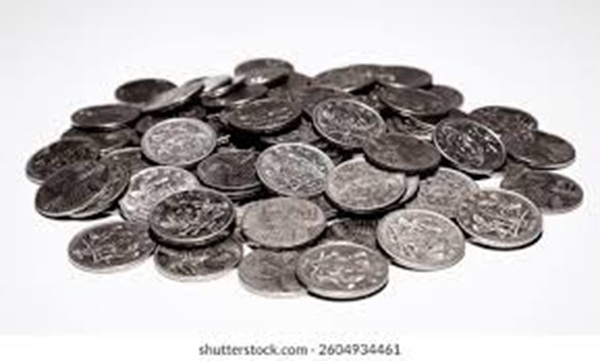 Coins
Coins
Concerns are emerging over domestic currency management as traders in parts of Accra openly reject the use of Ghana’s 20-pesewa coins, despite ongoing efforts to stabilise the economy through programmes such as the Gold-for-Reserves initiative.
Reports from several commercial hubs indicate that traders are increasingly refusing to accept the coins as change, raising questions about the Bank of Ghana’s oversight of currency circulation and public confidence in the cedi.
The latest development follows earlier concerns about the growing acceptance of foreign currencies, particularly the US dollar, in domestic transactions.
Observers now say the rejection of coins represents a new and troubling trend in the use of Ghana’s legal tender.
Areas including Pokuase, Achimota, Makola, Tema Station and the Post Office enclave have been identified as hotspots where the 20-pesewa coins are routinely declined.
In many cases, traders reportedly refuse the coins without hesitation, including during transactions in traffic and open markets.
According to Classfmonline.com, traders who reject the coins often justify their actions by claiming that customers do not want them, even though no official directive has been issued by the Bank of Ghana to discontinue their use.
The practice has sparked concern among commuters and consumers, some of whom say they are forced to forfeit change or make up price differences due to the rejection of the coins.
Currency experts warn that the refusal to accept legally issued coins undermines confidence in the national currency and could further weaken efforts to promote the cedi as the primary medium of exchange.
As of now, the Bank of Ghana has not publicly commented on the widespread rejection of the 20-pesewa coins.
However, stakeholders are calling on the central bank to intensify public education and enforcement measures to ensure full acceptance of all denominations of the cedi in everyday transactions.
Source: Classfmonline.com/Cecil Mensah


Trending Business

Lady Mae injects GHS 1.59m into women's empowerment as she launches 'Save You First'
15:34
International livestock market launched in Volivo to boost trade and create 500 jobs
17:09
NPA CEO says $200m needed to fully revamp TOR and expand capacity
12:35
TOR resumes crude oil refining after years of inactivity
10:32
Gov't to revive Juapong Textiles through PPP-Ablakwa reveals
10:12
TAGG raises alarm over GRA–TRUEDARE digital customs deal
14:15
Government, Afreximbank resolve issues over US$750m facility
10:17
Muntaka Entrepreneurship Hub trains over 100 women in Asawase
14:16
Ghana Gold Board rakes in over $10bn ahead of target
09:56
GEXIM faces GHS1.5bn credit exposure as NPLs near 30% — CEO
09:36