

Mahama's 2022 letter on free speech resurfaces after TikToker's jail sentence
News
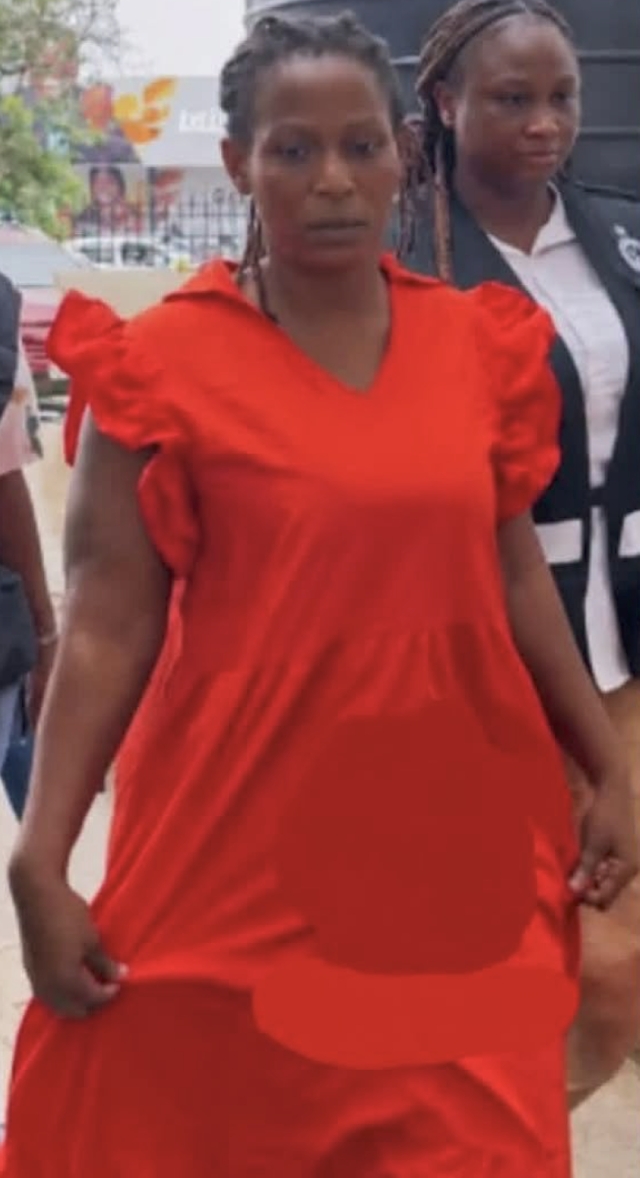 Camilla Alhassah
A letter written by then opposition leader John Dramani Mahama in 2022 criticising the Akufo-Addo administration over what he described as the criminalisation of free speech has resurfaced following the one-year prison sentence handed to TikToker Camilla Alhassah.
The letter, dated February 11, 2022, was addressed to then President Nana Addo Dankwa Akufo-Addo and expressed concern over what Mahama said was a growing trend of suppressing free speech and journalism in Ghana.
"I am appalled at the growing criminalisation of speech and journalism in Ghana, under your watch, in this 21st century," Mahama wrote.
He criticised the arrest and prosecution of journalists, broadcasters and activists, arguing that the use of criminal law to address statements made against public officials undermined the repeal of the criminal libel law.
"As Attorney General, at the time, who led the repeal of the criminal libel law, in order that citizens could freely express their views, it is unconscionable to be suppressing the rights and criminalising the speech of citizens and journalists," he stated.
Mahama cited the cases of Captain Smart, Oheneba Boamah Bennie, Oliver Barker-Vormawor and Bobie Ansah, among others, arguing that speech-related matters were being treated as criminal offences instead of civil issues.
He also accused the Akufo-Addo administration of failing to protect journalists, referencing the murder of investigative journalist Ahmed Hussein-Suale and incidents of alleged harassment and attacks on media practitioners.
"President Akufo-Addo, you cannot continue to oppress the people, criminalize speech when these matters are essentially civil in nature, if you feel offended by them," the letter said.
Mahama further warned that continued suppression of free speech would damage Ghana's democratic credentials and affect Akufo-Addo's legacy.
The letter has resurfaced after TikToker Camilla Alhassah was sentenced to one year in prison after being convicted of offensive conduct and publication of false news over videos containing false claims about President Mahama.
The sentence has generated public debate, with supporters describing it as a lawful consequence of criminal conduct, while critics argue it raises concerns about freedom of expression and the use of criminal sanctions in speech-related cases.
Source: classfmonline.com


Trending News

High Court strikes out AG's bid to revoke Hanan Abdul-Wahab's travel permission
14:02
E.I. 144 revocation: Govt moves to restore Achimota Forest - Lands Minister
14:20
Afenyo-Markin calls for National Sanitation Policy, says two-day clean-up won’t end flooding
15:42
UNFP report: Financial hardship delaying marriage and parenthood among young Ghanaians
23:11
Government intensifies maternal deaths campaign, emergency care training
13:05
Mahama urges Ghanaians not to be 'like the vulture' in tackling sanitation
03:28
Manasseh Azure calls out Ayariga’s ‘hypocrisy’ over BoG Governor’s secret appearance at Parliament
12:54
'NPP called him a small boy, but his knowledge speaks volumes' — Gifty Enam Gbedevi
13:17
A/R: 59 SHSs transition to single-track system as GES phasedly retires double-track model
16:22
EOCO grants ¢50m bail to Miracles Aboagye
22:56
