
FABAG rejects Tema Port claims, warns of worsening conditions at bulk and bagged cargo section
Business
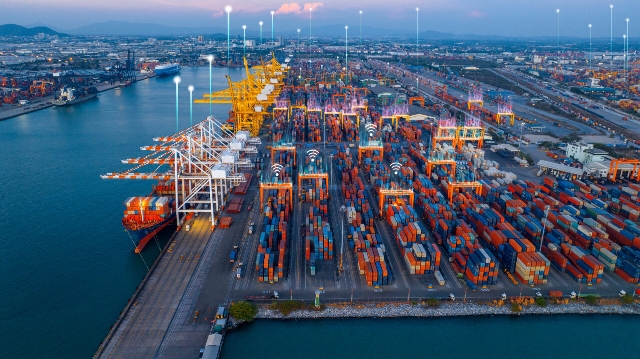 Tema Port
The Food and Beverages Association of Ghana (FABAG) has rejected recent claims by the management of the Tema Port that operations at the bulk and bagged cargo section are running normally, insisting that serious operational challenges persist and have worsened.
In a statement issued on Monday, FABAG said its members—who account for a significant portion of Ghana’s bulk food and beverage imports—continue to experience severe disruptions at the port.
The Association described the current situation as the worst in over 23 years, citing information from within the port.
According to FABAG, cargo discharge rates at the bulk and bagged cargo section have collapsed dramatically.
The Association said vessels are currently discharging about 200 metric tonnes per day, compared to a previous minimum average of 2,000 metric tonnes per day, representing a 90 per cent decline in productivity.
FABAG noted that the introduction of a 24-hour shift system has failed to improve efficiency, attributing the situation to inadequate staffing, low worker morale, and unresolved labour grievances.
The Association also raised concerns about unprecedented vessel turnaround delays, stating that prolonged berthing times, slow cargo evacuation, and inconsistent loading and offloading schedules have become commonplace.
These delays, FABAG warned, are resulting in escalating demurrage, storage, and logistics costs.
According to the statement, owners of three vessels currently discharging bulk and bagged goods are already incurring significant demurrage charges, costs which FABAG says will ultimately be passed on to importers, manufacturers, and consumers.
FABAG further expressed concern over what it described as a disconnect between official statements by port management and the realities faced by port users.
The Association warned that downplaying the challenges only worsens uncertainty and undermines confidence among stakeholders.
The Association stressed that inefficiencies at the Tema Port pose serious risks to Ghana’s food security, inflation control, industrial competitiveness, and overall economic growth, adding that public relations statements cannot replace meaningful operational improvements.
FABAG has therefore called for immediate and transparent engagement between the Ghana Ports and Harbours Authority (GPHA), port management, labour unions, and key user groups.
It also wants independent verification of port performance data, including vessel turnaround and cargo dwell times, as well as urgent corrective measures to restore efficiency and reliability.
The Association further urged port authorities to communicate honestly with stakeholders and the public rather than issuing blanket denials.
While reaffirming its commitment to constructive engagement, FABAG said it will continue to speak out when operational failures threaten the survival of local businesses and the welfare of Ghanaian consumers.
The Association concluded that the problems at the Tema Port persist and require urgent and decisive action.
Source: Classfmonline.com/Cecil Mensah


Trending Business

FABAG rejects Tema Port claims, warns of worsening conditions at bulk and bagged cargo section
12:15
AWIMA Leadership Awards & Conference heads to Cape Town for 2026 edition
11:17
GRA/Truedare contract sparks outrage over potential system duplication
10:23
Sammy Gyamfi: GoldBod made nearly GHS1 billion surplus
01:05
Apostle Samuel Oduro calls for support to scale up local Apple production
21:04
GRA announces major VAT reforms under new Value Added Tax Act
03:44
Ketu North MP launches skill and apprenticeship programme for 207 youth
01:22
NPA reaffirms commitment to energy safety and sustainability
02:46
‘Make Africa borderless now!’ campaign to be launched in Accra
01:08
AngloGold Ashanti's Obuasi Mine and Ashanti Green Initiative launch new chapter in community empowerment
19:26
